Loro Piana Ghemme: the first new manufacture in more than 30 years
Loro Piana has opened Ghemme in Piedmont, 8,000 square metres given over to knitwear alone. What the house put under one roof, and why it matters to anyone who buys a knit.
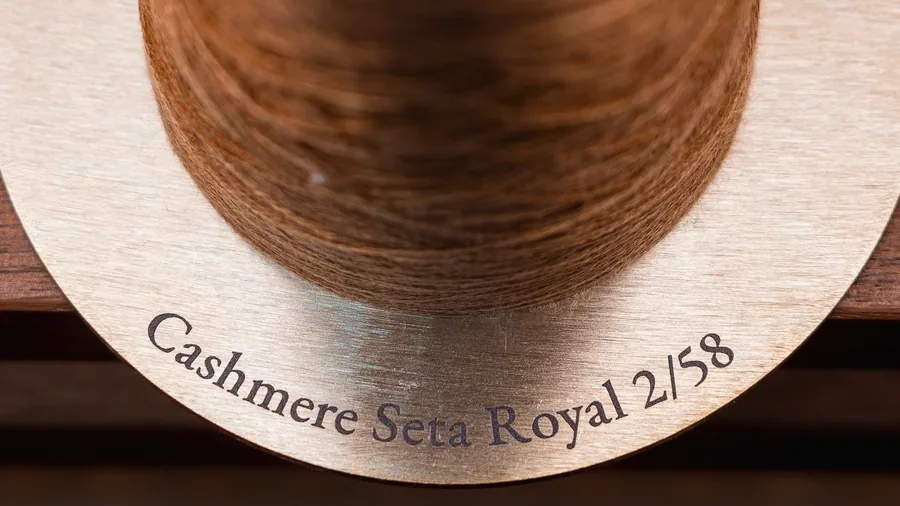
Photo: Loro Piana
At a glance
- Where
- Ghemme, Piedmont, Italy
- Size
- 8,000 square metres, knitwear only
- Why it matters
- The first new Loro Piana manufacture in more than 30 years
- On the site since
- 1987, when the house opened its worsted wool spinning mill there
- Fibres
- Cashmere, Baby Cashmere, vicuña, Merino wool, Pecora Nera®
- Energy
- Designed without fossil fuels, rainwater recovery, photovoltaic panels
Loro Piana has opened Ghemme, a centre in Piedmont given over entirely to knitwear. It covers 8,000 square metres, and the house describes it as its first new manufacture in more than 30 years. For a desk that spends most of its time asking where a garment was actually made, and by whom, the second fact is the more interesting one. Houses of this size rarely build from scratch, and when they do, the building tells you where they think the value in a product sits.
One roof, every stage
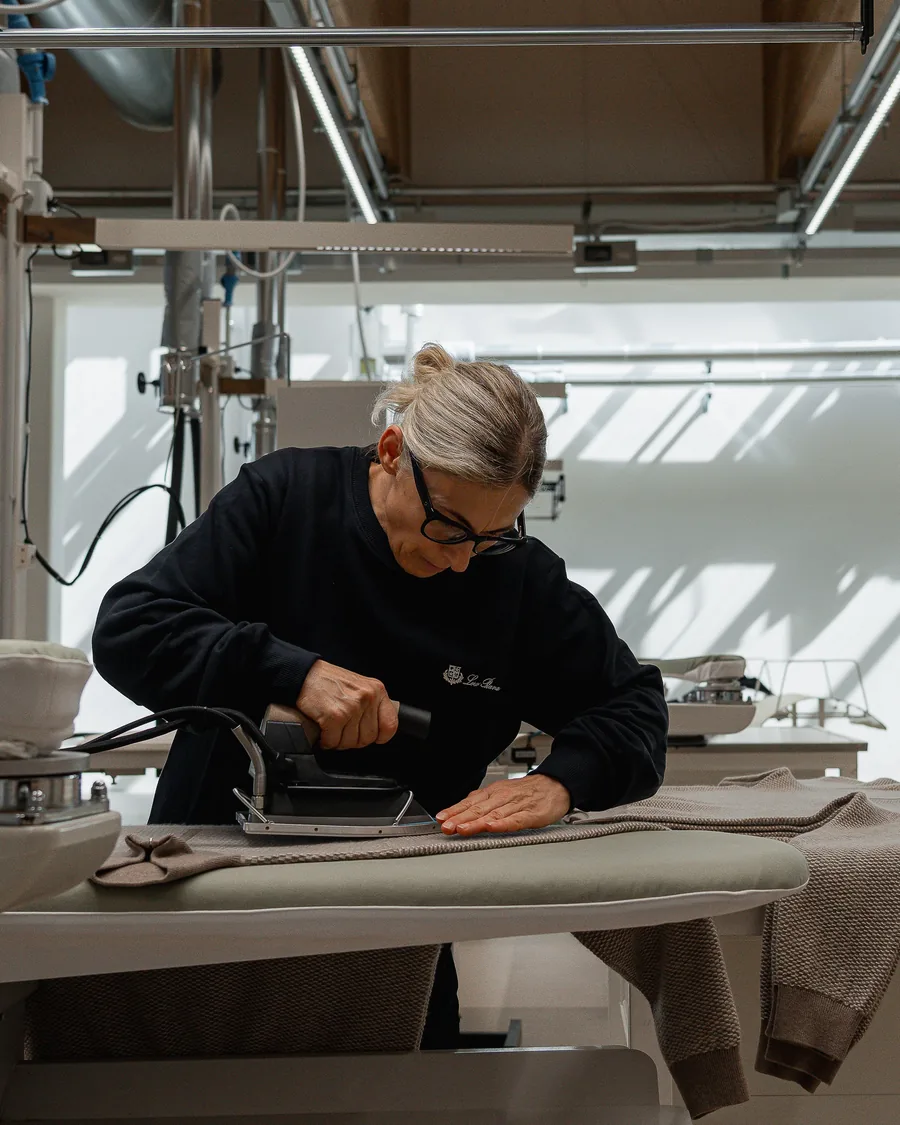
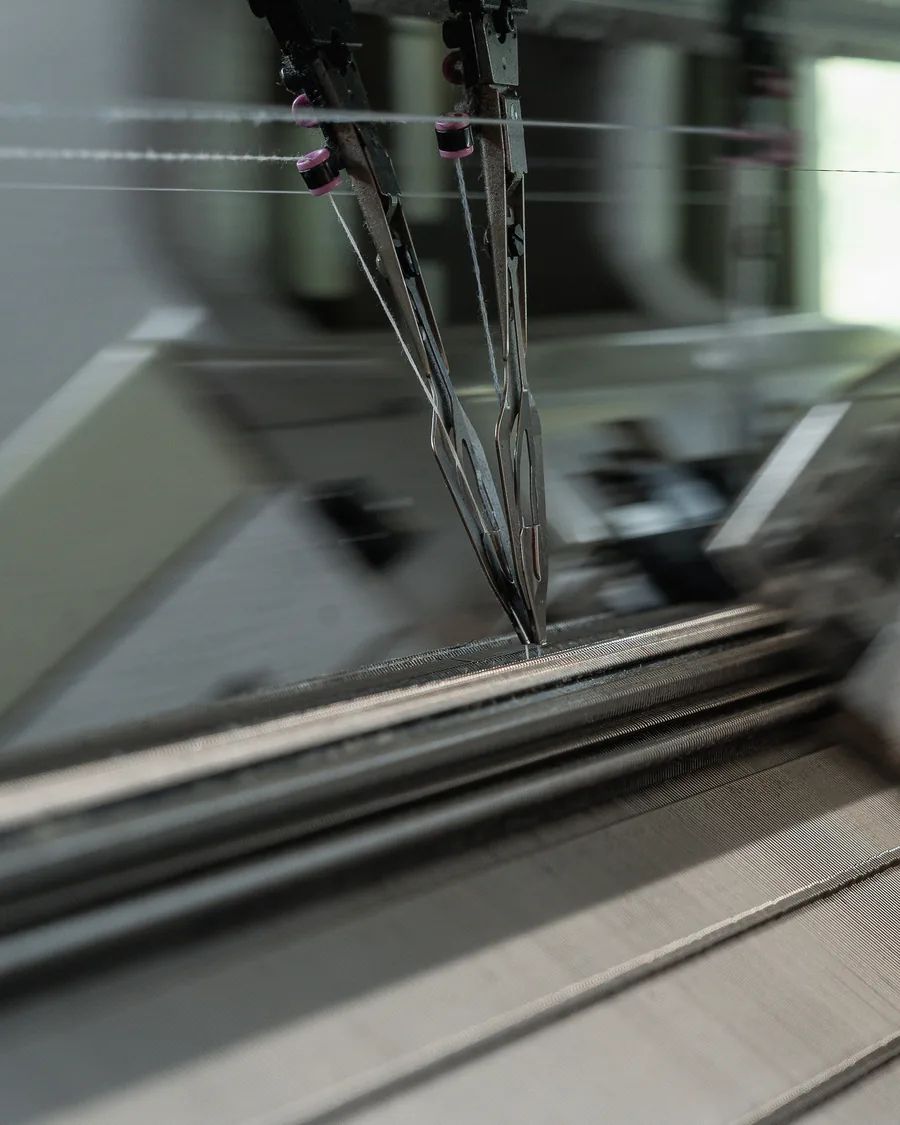
The idea behind Ghemme is consolidation. Research and development, programming, knitting, assembly and finishing now happen on one site, so a knit travels from the people who develop it to the people who finish it without leaving the building. At each of those stages the house pairs advanced technology with highly specialised handwork.
Why should a buyer care where the stages sit? Because knitwear is the category in which small decisions compound. The programme behind a knitting machine fixes gauge and tension. Assembly decides whether a seam lies flat or pulls. Finishing decides how the surface feels on the first wearing and how it behaves after many washes. When those steps are spread across a chain of contractors, nobody owns the whole result. When they share a building, somebody does.
A site with a long memory
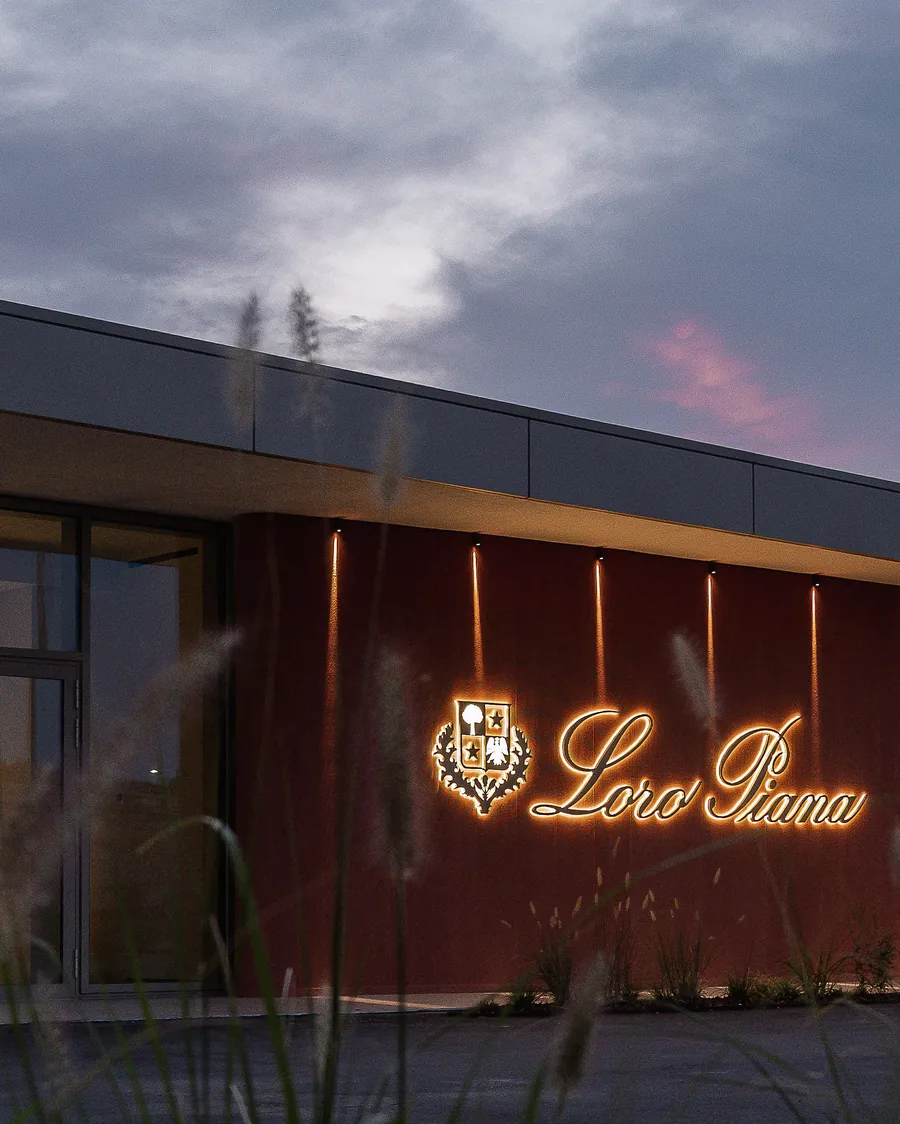
Ghemme was not picked from a map. Loro Piana opened its worsted wool spinning mill on the same site in 1987, in a part of Piedmont where textile skills have been handed down for generations. Two pieces of the old site were kept: the original water tower and the caretaker house. The house is now home to the Accademia dei Mestieri, which trains the next generation in the specialised crafts of knitwear.
That detail deserves more attention than it usually gets. Machines can be bought within a season. People who can find a dropped stitch by touch take years to train, and their scarcity is the quiet limit on the whole category. A school on the factory site is a house admitting as much.
The fibres in the building
Ghemme now carries the full journey of the materials Loro Piana is known for: cashmere and Baby Cashmere, vicuña, Merino wool and Pecora Nera®. These fibres do not behave alike on a machine or under a steam iron, which is exactly why it helps to keep programming and finishing within sight of each other.
The words themselves tell you less than you might hope. Whatever the fibre on the label, the life of a knit is decided by measurable things, and our material file on cashmere sets out the three that matter most: fibre diameter, staple length and ply.
Teaching, showing, building
Beyond the production floors, the centre holds the Accademia, where these skills are taught and passed on, and a dedicated educational space that traces the history of the house and its expertise in knitwear. An exhibition of the Loro Piana Knit Design Award celebrates the work of emerging designers inspired by the materials and techniques of the house.
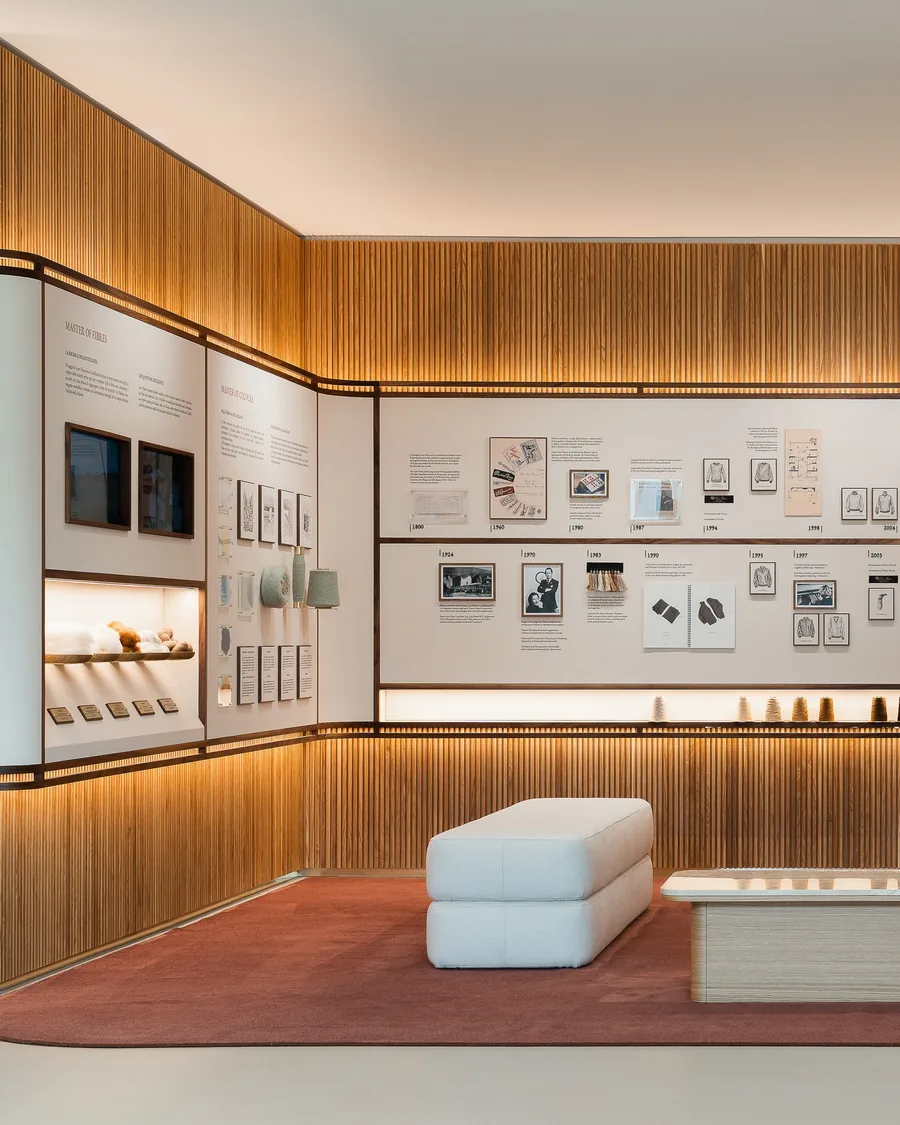
The architecture follows the same logic of material first. Generous openings bring natural light into the spaces, and wood, glass and hand finished surfaces are meant to answer the Piedmont landscape. The building was designed without fossil fuels and uses rainwater recovery and photovoltaic panels.
What it means on the shelf
A new building does not make a sweater better on its own, and we would be wary of anyone who claimed it did. What Ghemme changes is accountability. When research, programming, knitting, assembly and finishing share an address, the quality of a knit can be traced to one team rather than to a chain of suppliers. For the buyer the practical test stays where it always was: the label, the hand, the seams, and the number of wearings the piece gives back over the years. The instrument below does the arithmetic on that last one.
Spotted an error? Tell the desk